
In 2026, buying engagement boosting remains an accessible tool for promotion: the average price for 1000 views starts at $1.40 on TikTok and reaches $6.70 on YouTube. However, not everything is that cheap: comments and followers will cost several times more. We break down the latest Surfshark research and find out which metrics are worth buying and which to ignore.
Engagement Boosting Prices: What Costs What in 2026
Surfshark collected data from numerous engagement boosting services and found that fake activity remains «very affordable» for the average user. The cheapest type of boosting is views, while the most expensive are comments. At the same time, the price range across platforms is significant, opening up opportunities for savings.
Views: Cheapest on TikTok
The average price for 1000 views is $1.40 on TikTok and goes up to $6.70 on YouTube. This makes views the cheapest and most easily faked metric, so trusting them is the least safe. If you see a channel with millions of views but minimal engagement, that’s a reason to doubt the quality of the audience.
Comments: The Most Expensive Type of Boosting
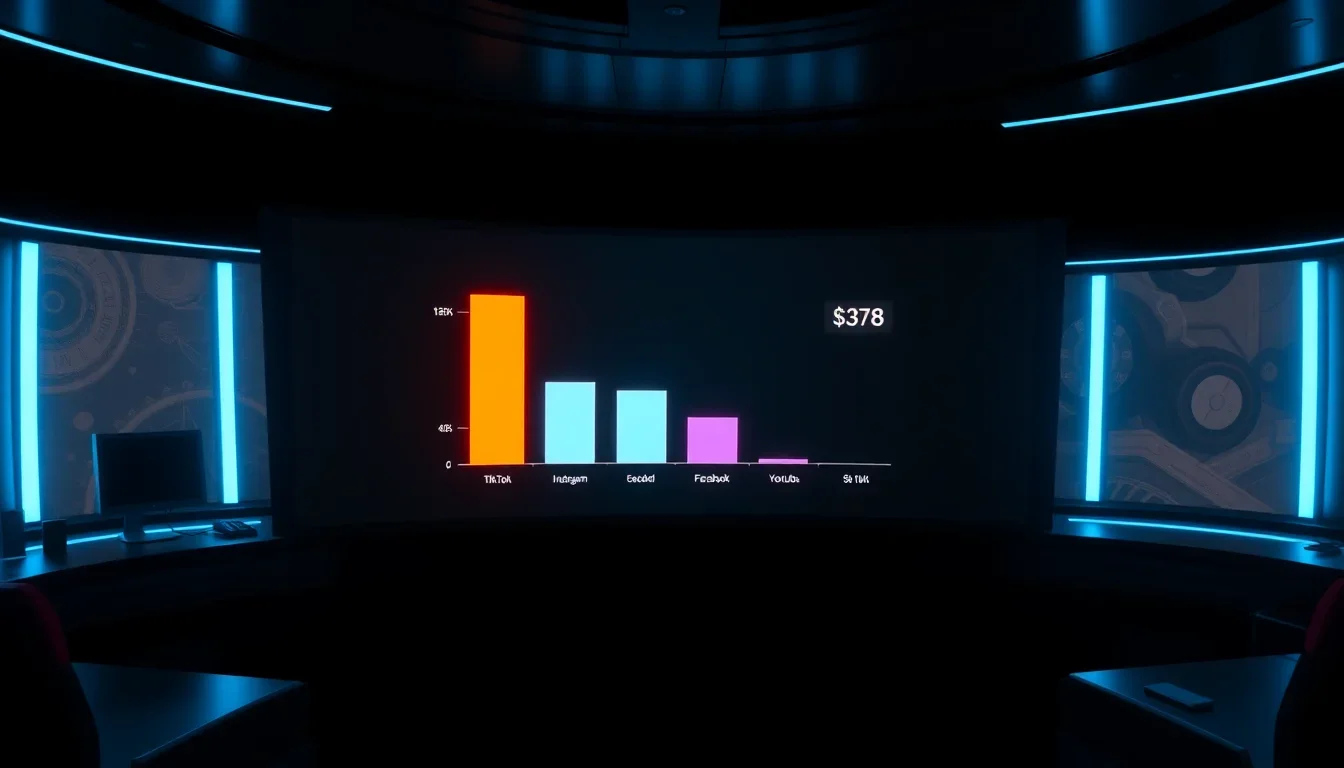
Comments are the most costly service. For 1000 random positive comments, the average asking price is:
- $93 on YouTube
- $104 on Instagram
- $140 on TikTok
- $287 on Facebook
The high price is explained by the complexity and labor intensity of creating fake comments. Facebook is likely the hardest platform for boosting, while YouTube is the easiest. This is why the presence of real comments is considered a more reliable quality signal than views.
Reposts and Shares: TikTok Leads in Price
For 1000 reposts on TikTok, the average asking price is $68, on Instagram and Facebook — $37 each, on X — $27, and on YouTube — only $17. YouTube’s strong recommendation algorithm makes sharing less significant, so it’s cheaper. For marketers, this means: if your goal is virality, TikTok will be the most costly but also the most effective channel.
Likes and Followers: Average Price Range
Likes occupy a middle position: from $10 to $25 per 1000. Followers on Facebook, TikTok, Instagram, and X cost $14-20 per 1000. But YouTube is a clear outlier: fake followers there cost an average of $78 per 1000, which is 4 times more expensive than on other platforms. The reason is YouTube’s unique system, where the number of subscribers is considered an achievement and directly affects monetization.
What Does This Mean for an Arbitrage Specialist?
The numbers show: views are the cheapest and least reliable way to boost, while comments are the most expensive and relatively reliable. If you see a channel with lots of views but few comments, that’s a reason to think about traffic quality.

For testing hypotheses, buying views is cheaper than launching a full campaign, but remember: platforms remove bots by the billions. Boosting can give a false sense of progress, so always compare costs with real conversion.
Frequently Asked Questions
How much does 1 million banner impressions cost?
It depends on the platform, but CPM is usually above $50. Boosting views is cheaper but doesn’t bring real users. Banner advertising, even at a high price, brings real people who can take a targeted action.
What CPM should be considered profitable?
A profitable CPM is one that pays off. Compare the cost per real engaged user, not just per impression. If 1000 impressions cost $5 but conversion to sales is zero, that’s worse than $50 per 1000 impressions with a 5% conversion.
What’s cheaper: banner or influencer?
A banner is usually cheaper in terms of CPM, but an influencer provides audience trust. Calculate unit economics: cost per targeted action. With an influencer, the cost per follower or lead may be lower despite the high price for integration.
Should I use AI for video clipping?
AI clipping is cheaper than manual work, but check the quality. For mass posting, AI videos can be a budget alternative, but they rarely generate high engagement. Use AI for rough work, and leave final editing to a human.
Conclusion: Count Money, Not Likes
Boosting is a tool, but it doesn’t replace a real strategy. If you want to test hypotheses cheaply, use boosting for initial validation, but always evaluate ROI. Don’t fall for pretty numbers; check statistics and calculate how much money each spent ruble brings.
Quality content and organic growth are the best way to save on boosting. Invest in what works for the long term, not in instant illusions of popularity.
Start small: test boosting on one platform, measure real conversion, and only then scale your budget. Remember that sustainable growth is built on audience trust, not bots.