
Banner ads and overlays in TikTok, Reels, and Shorts are a powerful tool for rapid brand awareness growth. In this article, we will break down how these formats work, how to properly set them up, label them, and measure their impact on reach, organic traffic, and search.
Banner ads and overlays in TikTok, Reels, and Shorts are an advertising layer on top of a short video: an animated banner, logo, short overlay, or character in branded clothing. The overlay “sticks” to the top of the video and is visible in the stream of movie clips, TV series, memes, and educational videos, provided the content is allowed for placement and passes moderation. This format helps quickly gain massive reach.
Current as of May 25, 2026. Platform rules change, so before launching, you need to check the current requirements of TikTok, Instagram, YouTube, and local advertising legislation. If the publication is paid advertising or commercial placement, platforms require explicit labeling: TikTok uses the commercial content disclosure setting, Instagram uses the paid partnership tag, and YouTube uses the paid promotion tag.
How the format works
This is not a long integration by the author or a separate ad video before the clip. The format is simpler: the viewer watches a short video, and an advertising overlay, banner, or character appears on top of it. The ad does not try to replace the video itself. It adds a noticeable trademark sign to the content that the audience is already watching.
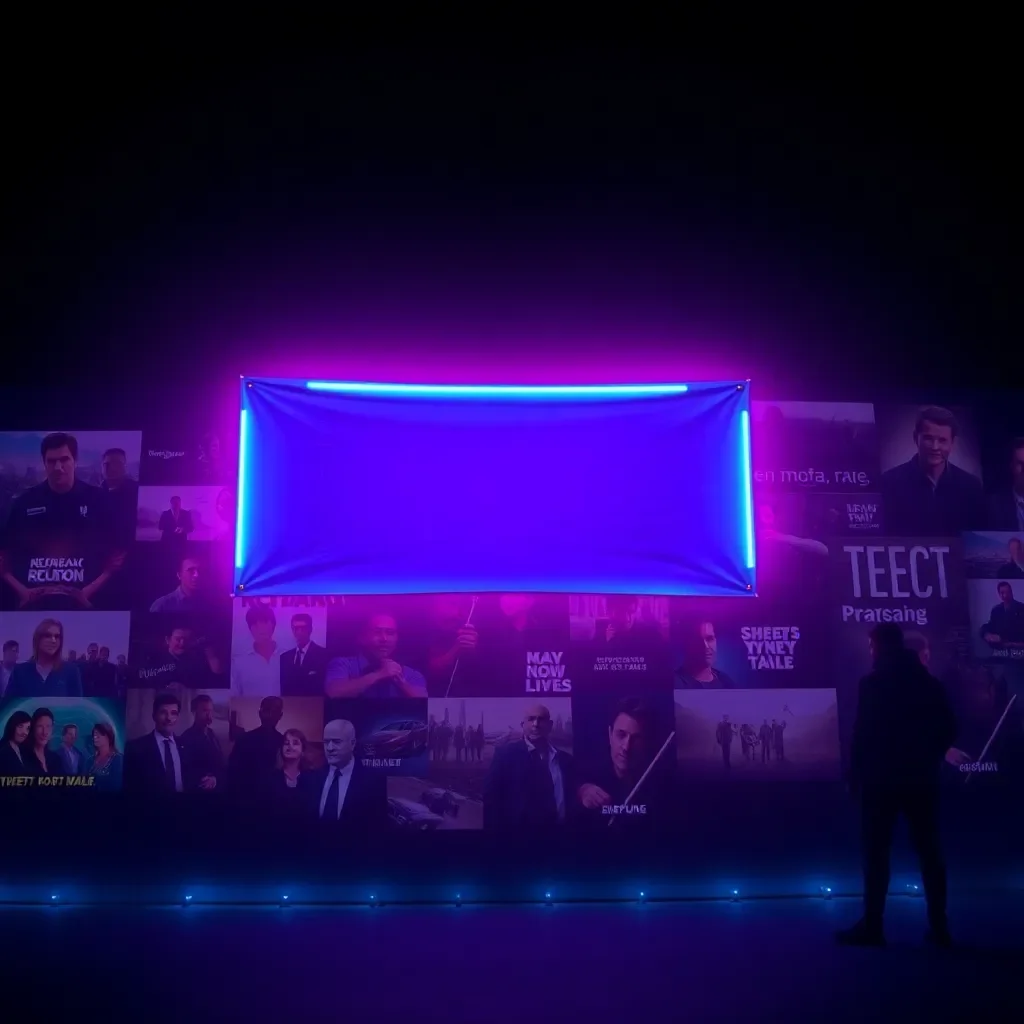
Content for such placement can include movie and TV series clips, memes, educational videos, explanatory videos, fact compilations, reactions, and other short formats. Important: only content that is allowed for placement and does not violate copyright holders’ rights can be used. If the video has no legal basis for publication, the advertising overlay does not make it safe.
There are two main types of advertising layers.
First — banner or overlay
This is a compact animated strip, logo, card, message, or call to action. It appears at the top or bottom, stays for a few seconds, or is visible for most of the video.
Second — branded character
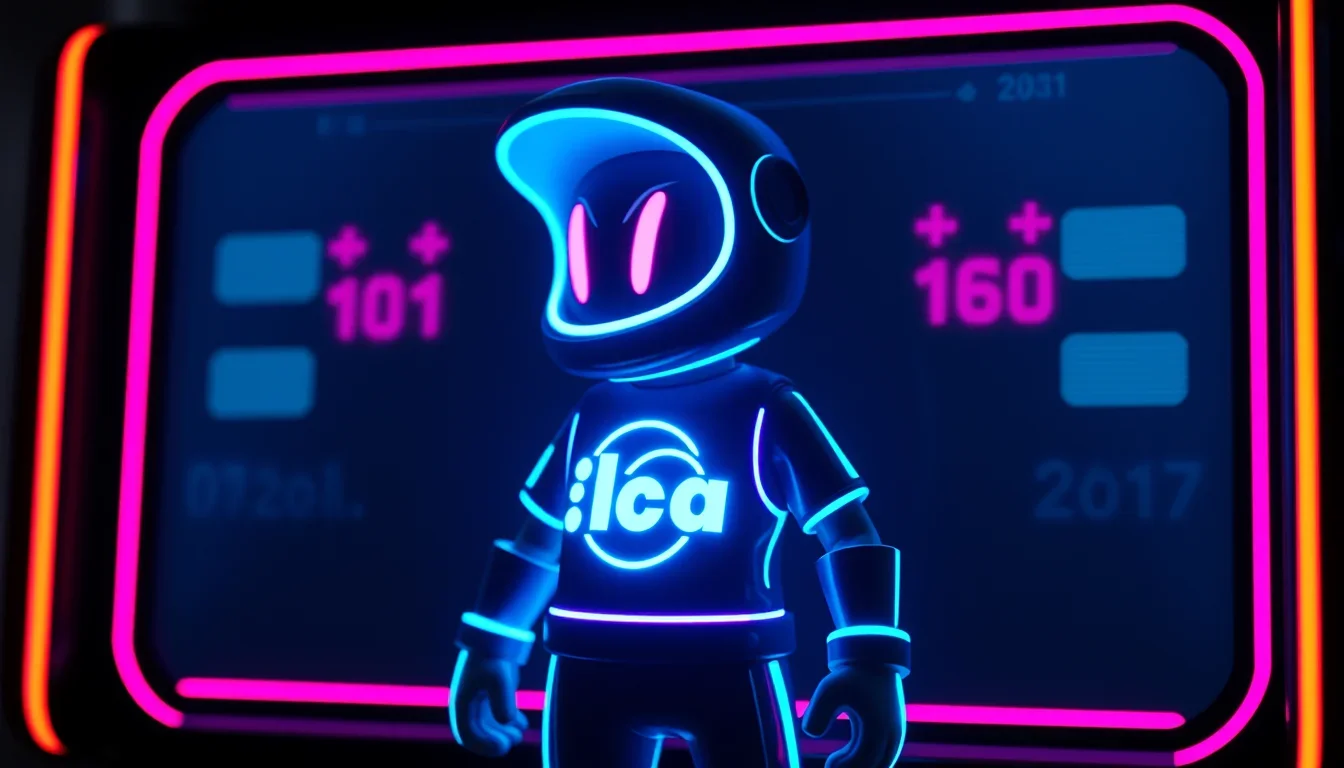
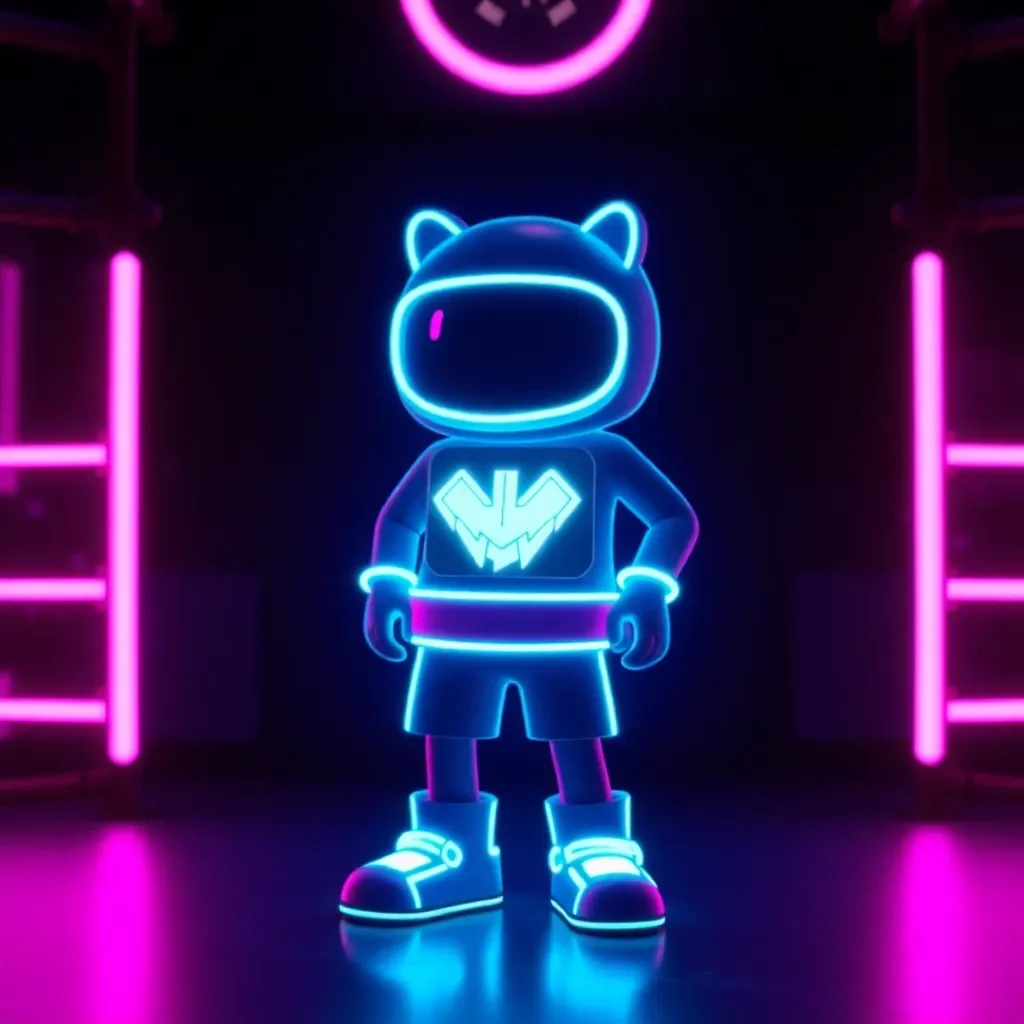
This is an animated person or mascot in clothing with a logo. For TikTok, it is better to use a waist-up character: this way it does not get lost when cropped, is not covered by the interface, and better conveys the trademark sign.
The point of the format is to launch ads for large reach. When thousands or millions of viewers see the same trademark sign in their usual stream of short videos, it provides classic brand awareness growth: people start recognizing the name, searching for it more often, visiting directly, and responding to the company in other channels.
Format by Platform
| Platform | What to Use | How to Place | What to Check |
|---|---|---|---|
| TikTok | Branded character waist-up or short banner | Keep face, logo, and clothing closer to the center | Is the character cropped, is the logo covered, does the interface interfere |
| Instagram Reels | Animated banner or short banner | Do not place important text at the very top or bottom | Are the caption, author name, and buttons covered |
| YouTube Shorts | Animated banner, banner, or short card | Keep the message simple and large | Is the logo visible on a mobile screen |
| VK | Animated banner | Use the same base banner as for YouTube and Instagram, but check the preview | Is the text too small, is the call to action lost |
For YouTube, Instagram, and VK, you can prepare one common animated banner and adapt it for the preview. For TikTok, it is better to make a separate version with a waist-up character. This is not a designer’s whim, but a practical safeguard against cropping, interface interference, and loss of readability.
Advertising Labeling
If the placement is paid, the viewer must understand that it is an advertisement. Simply placing a logo on a banner is not enough. Clear labeling and compliance with platform rules are required.
TikTok
If an author promotes a product, service, or trademark, TikTok requires enabling the commercial content disclosure setting. If the publication is made on behalf of another company, it may be displayed as a paid partnership.
Instagram Reels
Instagram requires using the paid partnership tag for branded commercial content. Instagram’s rules state that such content must be published with the appropriate labeling tool.
YouTube Shorts
YouTube requires informing the platform about paid placement, sponsorship, or product endorsement so that the platform can show a disclosure to the viewer. YouTube also warns that the author may have additional obligations under their country’s laws.
USA and FTC 16 CFR Part 255
If the campaign involves the US market, it is important to consider FTC rules on disclosing a material connection between the advertiser and the author. 16 CFR Part 255 states that authors may be held liable for failing to disclose an unexpected material connection with the advertiser.
How the Author Adds the Banner
The process should be simple and repeatable.
- The author receives the video or publishes approved content for editing.
- The advertiser provides the banner, banner, or character.
- The author adds the advertising layer on top of the video.
- The author checks that the banner does not cover the face, subtitles, important action, or buttons.
- If the publication is advertising, the author enables the appropriate tag on the platform.
A good format does not require the creator to come up with an integration every time. They receive a ready-made ad layer and clear rules: where to place it, how long to hold it, what not to cover, and how to label it.

What the Advertiser Checks Before Publication
The advertiser should look not only at the beauty of the banner but at its functionality.
Visibility of the trademark. The logo must be quickly readable. If it is only visible during a pause, the banner is weak.
Position on the screen. The banner should not cover the interface, faces, subtitles, important objects, or action in the frame.
TikTok version. The character should be shown from the waist up, in branded clothing, with a clearly visible trademark sign. Full height is best avoided: it is easier to crop.
Text. The message should be short. Do not write paragraphs on the banner. For a short video, a name, benefit, and call to action are enough.
Content rights. If the video is a clip from a movie, series, meme, or educational video, check whether it is allowed to use it. Advertising over controversial content does not protect the campaign from claims.
Labeling. Check whether the required mark is enabled on the platform if the placement is advertising.
Link and tags. If there is a link to a website, check the link and tags in the URL to later see the result in analytics.
How to Measure Results
Banner advertising in short videos works not only through clicks. Its main effect is mass contact with the trademark.
Look at several levels of results.
1. Reach. How many people saw the banner, ad, or character.
2. Frequency. How many times, on average, one viewer encountered the trademark.
3. Visibility. Was the logo readable, was it covered, did it disappear too quickly.
4. Clicks. If the banner has a call to go to the website, track clicks and visits.
5. Search by name. After mass reach, people often do not click immediately but search for the name later. Therefore, look at the growth of queries for the trademark.
6. Unpaid visits. If the campaign is noticeable, direct traffic, organic search, and visits to company profiles may grow.
7. Awareness study. For large launches, add a survey or study of awareness growth. TikTok For Business specifically notes that successful materials and correct trademark signals help enhance memorability and brand connection.
Where the Format Breaks
The banner is too small. The viewer does not read the text and does not remember the brand.
The banner covers the video. If the ad interferes with watching the video, it irritates rather than works.
The character is cropped on TikTok. Use a waist-up version and keep important elements in the center.
One file is used everywhere. For YouTube, Instagram, and VK, one banner might work, but TikTok requires separate verification.
No labeling. If the placement is paid, lack of disclosure may lead to platform risks and claims from regulators.
Controversial content. Clips from movies, series, and memes should only be used if there is a legal basis. Otherwise, the problem will not be with the banner but with the video itself.
Too weak a connection to the brand. If the banner does not contain a logo, name, or recognizable character, reach may be high, but recall will be low.
Why the Format Works for Mass Reach
Short videos are watched quickly and in large volumes. The viewer may not be ready for a long ad, but they notice a recurring sign: a logo, color, character, clothing, or short phrase. When such a banner appears in a large number of videos, the brand begins to “stick” to the audience’s attention.
The effect is especially useful for companies that need to quickly boost awareness. People see the banner in memes, clips, educational videos, and entertainment content. Then they start recognizing the name in search, ads, recommendations, and on the website. Thus, the format supports not only reach but also unpaid traffic, name searches, and overall interest in the brand.
Frequently Asked Questions
Do I need to use a paid partnership tag on the platform? Yes, if the placement is paid advertising, product promotion, or a publication with a commercial connection. TikTok requires disclosing commercial content, Instagram requires a paid partnership tag for branded commercial content, and YouTube asks to report paid promotion to show disclosure to the viewer.
What if the banner covers an important interface? Reduce the banner, move it closer to the center of the safe area, or create a separate version for the platform. Do not place key text near the edges. For TikTok, it is better to use a waist-up character rather than a full-length one.
Can I run the same banner on all three platforms? You can use one idea and one common design, but the files need to be checked separately. YouTube, Instagram, and VK can use one basic animated banner. For TikTok, it is better to make a separate version with a waist-up character.
Is the format suitable for movie clips, series clips, and memes? Yes, if the content is allowed for posting and does not violate rights. The format itself works well for clips, memes, educational videos, and entertainment content because the overlay adds an advertising layer on top of video that is already interesting to the viewer.
Why does this affect search and non-paid traffic? Because mass reach increases brand recognition. Some viewers do not click immediately but remember the name and later search for it, visit directly, or respond to ads in another channel.
Ready to launch your first campaign? Start by checking the platform’s rules and preparing a high-quality ad overlay. Good luck!