
In the modern world, sports leagues are increasingly prioritizing advertising revenue over fan interests and player safety. From ad-saturated broadcasts to dubious “hydration breaks,” the industry is changing for the worse. Transparency in statistics and real mathematics show that this is a dead end for long-term audience relationships.
Advertising Instead of the Game: How Broadcasts Are Changing
Re-watching the sixth game of the 1986 World Series between the Mets and the Red Sox, I realized how much the viewing experience has changed. In ’86, there were no digital banners behind home plate, no sponsor logos on the pitcher’s mound. There were moments when the air was filled only with the roar of the crowd.
Today, however, the silence is filled with sponsor integrations, pop-up ads, and even entire commercial breaks in the middle of the game. This is not just annoying; it causes rejection.
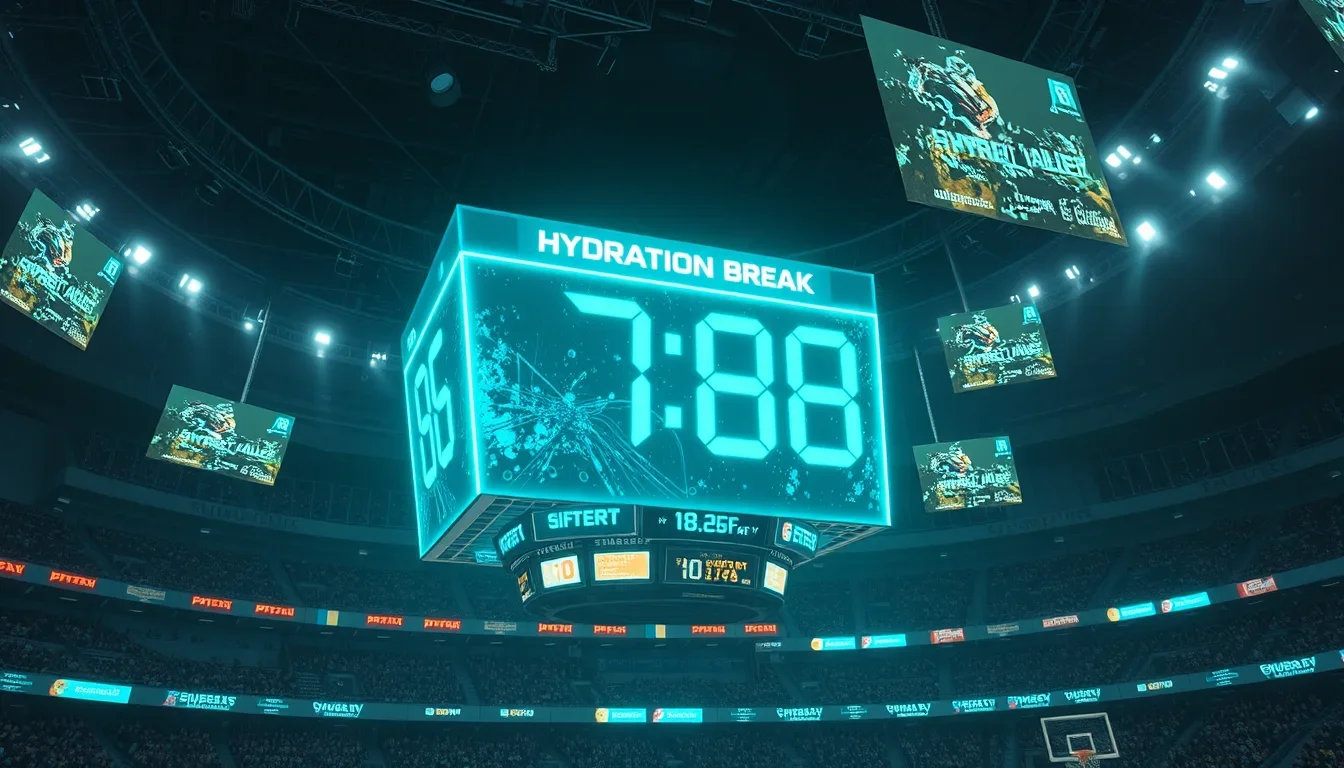
“Hydration Breaks” or Ad Slots?
A striking example is the “hydration breaks” at the FIFA World Cup. FIFA claimed to be concerned about player health due to high temperatures. But in fact, these were 3-minute commercial breaks in each half.
Players and coaches criticized them for disrupting the rhythm of the game. After the tournament, FIFA openly boasted about successful sponsorship contracts related to these breaks and will now demand them in all future agreements, regardless of the weather.
This is pure cynical cash-grab, disguised as concern for athletes.
Player Safety: A Sacrifice for Advertising Money
Billboards pushed right up to the field are not just a backdrop, but a direct threat. Players running at full speed are meters away from these structures. Here are the real numbers and facts:
- British midfielder Jordan Henderson was sidelined from the World Cup due to a broken wrist after falling into a billboard.
- The Paraguayan national team coach demanded a review of the rules after his striker crashed into an advertising screen.
- Togo national team player Samuel Asamoah broke his neck colliding with a billboard a year ago and remained partially paralyzed.
- Young British player Billy Vigar died after a similar head-first fall.
The solution is simple: move the billboards further away. But sponsors pay for maximum screen presence, so leagues ignore the risks. This shows that CPM cheaper than 50 rubles for advertisers is more important than the health of athletes.
Influencers and Betting: The New Reality of Sports
At this year’s US Open, organizers handed out free tickets to influencers, which caused a wave of indignation among players and fans. Stadiums were filled with people filming vlogs, not watching the game.
Rules of etiquette were ignored, to the point where one player stopped a match due to the smell of marijuana from the stands. This is not sport, it’s a circus for reach.
Gambling Integrations: A Ticking Time Bomb
The most insidious aspect of modern sports marketing is partnerships with betting companies. All major American leagues (NFL, NBA, MLB, NHL, MLS) actively promote gambling apps.
Players advertise them, and leagues integrate betting and predictions directly into broadcasts. At the same time, these same leagues form coalitions to combat users who threaten players due to lost bets.
This is hypocrisy: first hook people on gambling, then complain about the consequences. Forget about bloggers if your reputation is undermined by such «gray traffic.»
When Sponsors Flee: A Warning Bell
Even major brands are starting to turn away. McDonald’s is ending its 32-year sponsorship of the World Cup, as it «did not meet expectations.» Adidas, Visa, Hershey, and Coca-Cola are also re-evaluating their sports investments.
This suggests that the «any cost for advertising» strategy does not work in the long run. Perhaps it’s time for banner advertising in video, which provides transparent statistics and massive reach for pennies without reputational risks.
Frequently Asked Questions
Why do sports leagues advertise so actively?
The main reason is profit maximization. Leagues strive to earn as much as possible from sponsorship contracts and advertising integrations, often ignoring the negative impact on the viewer experience and player safety. CPM cheaper than 50 rubles and millions of reach attract advertisers, but alienate fans.
Does excessive advertising affect the popularity of sports?
Yes, absolutely. Oversaturation with advertising, intrusive integrations, and prioritizing commerce over the game irritate fans, reduce their engagement, and can lead to audience drain. This is also confirmed by the withdrawal of major sponsors, such as McDonald’s.
Are there alternative monetization methods for sports broadcasts?
Of course. More native and less intrusive formats can be used, such as banner advertising in YouTube Shorts or TikTok. This allows for cheap reach and an unskippable banner without sacrificing viewing quality. Automated placement on hundreds of videos can provide the same mass reach as traditional methods, but for less money and with better audience perception. This allows you to buy reach without creating a video and not pay an influencer huge sums.
Conclusion
Sports leagues are at a crossroads. By continuing to chase short-term profits from questionable advertising integrations, they risk losing what is most valuable — fan loyalty and player trust. Perhaps it’s time to reconsider monetization approaches and pay attention to more effective and less intrusive methods, such as programmatic video banners.
It’s time to test hypotheses for 1000 rubles and look for white-hat schemes that will allow earning without alienating the audience. Otherwise, instead of millions, only pennies and empty stadiums will remain.