
Stop paying bloggers for inflated reach. The real math of beauty marketing in 2026 is CPM below 50 rubles per thousand impressions on YouTube Shorts and Reels. While influencers ask for production budgets, you can buy reach for pennies and test a hypothesis for 1000 rubles. Banner advertising in short videos is an overlay banner that doesn’t require shooting a video. Just upload a creative and off you go. Below are nine trends I dug up from McKinsey, Vogue Business, and Perfect Corp reports, and most importantly—how to shoot content for each without paying an influencer a single ruble.
1. AI Personalization: Shoot for the Digital Mirror
In 2026, personalization isn’t a recommendation widget but a digital mirror that analyzes the face, determines skin type, and selects products. Perfect Corp claims AI scanning boosts sales by 14x, basket size by 35%, and engagement by 200%. These are vendor data, but the virtual try-on market is already $16.28 billion (2025) and will grow to $75.6 billion by 2034 (CAGR 18.6%).
For AI to work, shoot each SKU in 4K with neutral white balance, soft key light, and no colored gels. You need four angles: front, three-quarter, profile, and top-down. Plus 30 seconds of application demonstration on skin (not a montage cut) on at least three different skin tones. Otherwise, you’ll get a biased model that performs poorly on dark tones. Ask the vendor: “What is the error rate on Fitzpatrick types V and VI?” And don’t forget CCPA and BIPA—collecting biometrics in California and Illinois risks fines up to $5,000 per violation.
2. UGC and Micro-Influencers: $400 vs. Thousands
52% of Gen Z use TikTok as a search engine for cosmetics. Aspirational videos for $10,000 lose to UGC for $400, shot on a smartphone in the bathroom. The algorithm loves high completion rates. The winning structure: “before” (first 1.5 seconds), 8–30 seconds of application with product and ingredient captions, “after” in the same lighting and angle, and a voice CTA. Choose 4–6 micro-influencers (10–100k followers)—they have higher engagement. Each provides 3–5 UGC clips. Result: 12–30 assets for launch. And always #ad—the FTC strictly fines for undisclosed advertising.
3. Skinimalism and Biotech: Less Cream, More Science
Gen Z regrets overspending on cosmetics (Statista, 2023). The trend is skinimalism: quality over quantity. Biotech—lab-made ingredients, no animals or pesticides. Don’t use words like “clean” or “non-toxic”—only material facts. Shoot B-roll in the lab: fermenters, Petri dishes, scientists in masks. Add a Founder Explainer with the CSO—this is content for the entire launch. The CPM of such videos on Shorts is pennies, and trust is higher.
4. Video Search: Optimize for Voice Queries
Gen Z types into TikTok search “daily skincare routine for acne”—not brands, but problems. Your title and first seconds must contain these phrases. Brand hashtags go only in the description, not in the search. Shoot 15–30 seconds with a clear answer to the question. This is organic traffic for 0 rubles.
5. Programmatic Video Banners: Auto-Placement on Hundreds of Videos
Overlay advertising on Shorts and Reels is an alternative to influencers. You don’t pay for production, only for impressions. CPM below 50 rubles. Upload a banner—and the algorithm finds the target audience itself. Ideal for testing hypotheses: a budget of 1000 rubles—and you know if the creative works or not. Transparent statistics, no gray schemes.
6. Native Banner in Shorts: Unskippable, Unblockable
Users hate pre-rolls. A native banner inside a video is when the creative is integrated into the content: for example, a logo on a blogger’s T-shirt or a virtual shelf with a product. Shot once, placed on hundreds of videos via programmatic. CPM even lower—up to 30 rubles. No shooting, no editing.
7. Banner for Infobusiness and Mobile Apps
Short videos are an ideal channel for lead generation. A banner with a “Install” or “Sign Up” button over the video gives higher conversion than pre-rolls. CPM cheaper than 50 rubles—you buy reach, not followers. For crypto projects—a banner with a QR code to a wallet. Massive reach for pennies.
8. Serial Production: 30–60 Videos per Month
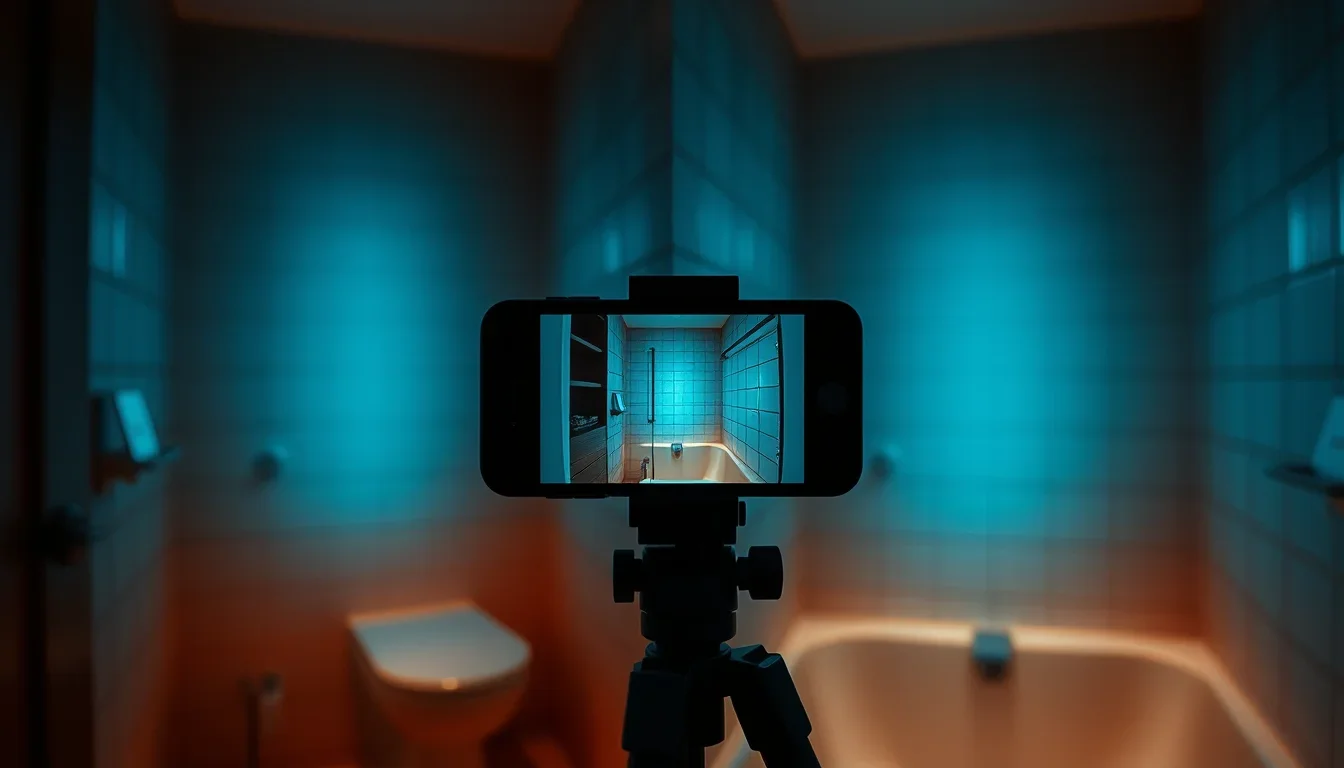
To be competitive, you need 30–60 short videos per month. The problem isn’t shooting, but approval. Solution: one studio day per week with a shot list of 15–30 pieces. One reviewer for videos without claims, two (lawyer + brand) for videos with claims. A pool of 15–20 pre-approved creators—activate UGC in a week, not a month.
9. Transparent Statistics: CPM, Reach, Conversions
No more “million-view” videos with inflated numbers. Only real math: CPM, CTR, conversion. Programmatic provides a report for each placement. You see which banner works and which doesn’t. No fluff, no bloggers, no extra costs.
Frequently Asked Questions
How much does it cost to place a banner on TikTok?
CPM from 30 to 50 rubles. Minimum budget—1000 rubles for testing a hypothesis.
Do I need to shoot a video for banner advertising?
No. An overlay banner is placed on existing videos. You only pay for impressions.
What is the CPM on YouTube Shorts?
In Russia—30–50 rubles, in the US—$5–10. The lowest CPM among all video formats.
Can I target by interests?
Yes, programmatic platforms allow you to set audience: gender, age, interests, geo.
Conclusion
Stop pouring budgets into influencers. The real math: CPM cheaper than 50 rubles, test a hypothesis for 1000 rubles, banner without shooting. Order banner advertising on Shorts and Reels—get massive reach for pennies. Transparent statistics, no gray traffic. Switch to programmatic video banners—and forget about bloggers.